Stepping out of the Montreal metro on a Sunday morning, my cabin suitcase wheels clattering against uneven sidewalks, I felt that familiar thrill of travelling to a new place again. It was my first summer in Canada, and I was restless to explore a city outside of Toronto before the winter chill crept in. Montreal tempted me with its unique blend of North American flair and European charm, its layered histories, its promise of cobblestone streets and cafés that spill its unique appeal onto the pavements.
But this trip was different. My husband and I were not going to spend the next two weeks in a hotel or a rental, but in the homes of two people we’d never met, through HomeExchange.
I knew I wanted a long, slow trip to truly get to know the city, but with rising accommodation costs, a two-week stay on a modest budget seemed impossible. I spent weeks scrolling through homestays and “sustainable rentals,” each option ending in disappointment. That’s when I came across HomeExchange: a global, B Corp–certified platform with a community of over 160,000+ members who open their homes to others with generosity, trust and respect. It felt like the answer that I had been searching for – affordable, yet aligned with my values as a conscious traveller.
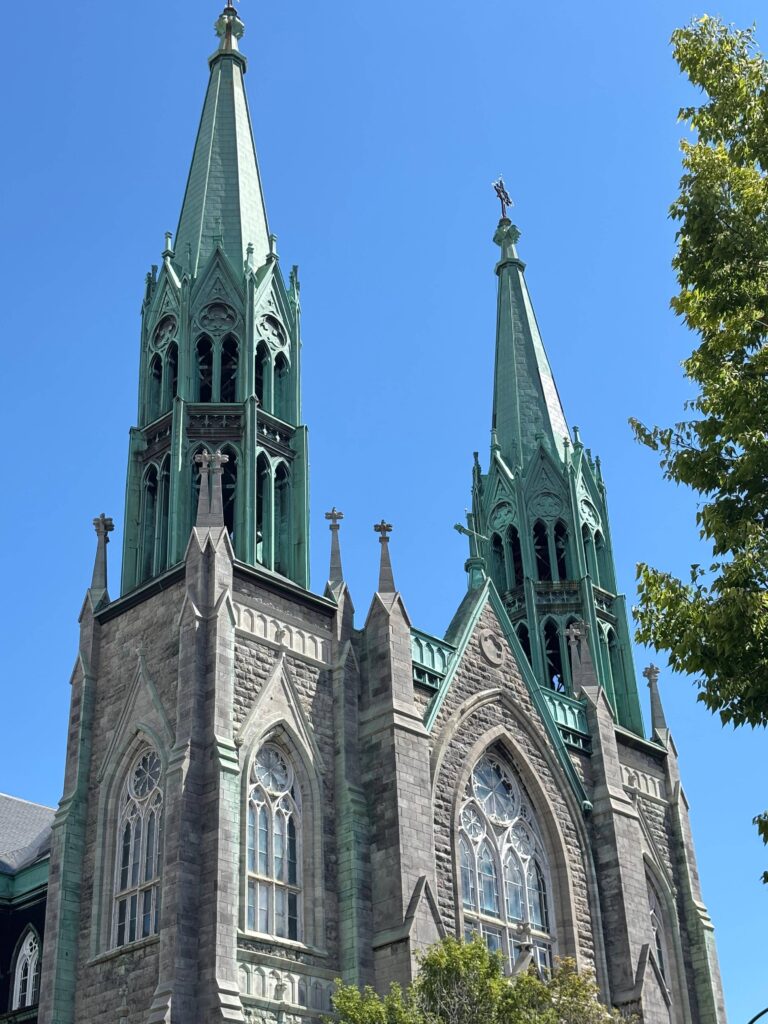
I’ll be honest – my first thought was, “What’s the catch?” Could a system based on trust really work in today’s world, where everything comes with a price tag? But I soon learned the beauty of it lies in reciprocity, not transactions. Either a direct home swap or a stay made possible using “GuestPoints”. Our first experiment in this way of travelling began in a neighbourhood we hadn’t even considered: Little Italy.
A home in Little Italy
We arrived at a charming old duplex in Little Italy with a metal staircase curling up the building exterior like a ribbon, a feature we observed on many of the quaint houses around the neighbourhood. Our host welcomed us warmly at the door and gave us a tour.
Her home seemed to reflect her personality in every corner: cozy, colourful, and charming. The living room was a kaleidoscope of textures, from mismatched chairs in different shapes and colours to an eclectic mix of art on the walls. It wasn’t a sterile, perfectly curated space; it was alive with character and soul. And that’s what made it feel instantly welcoming. She then handed us the keys, and my husband and I had the whole place to ourselves.
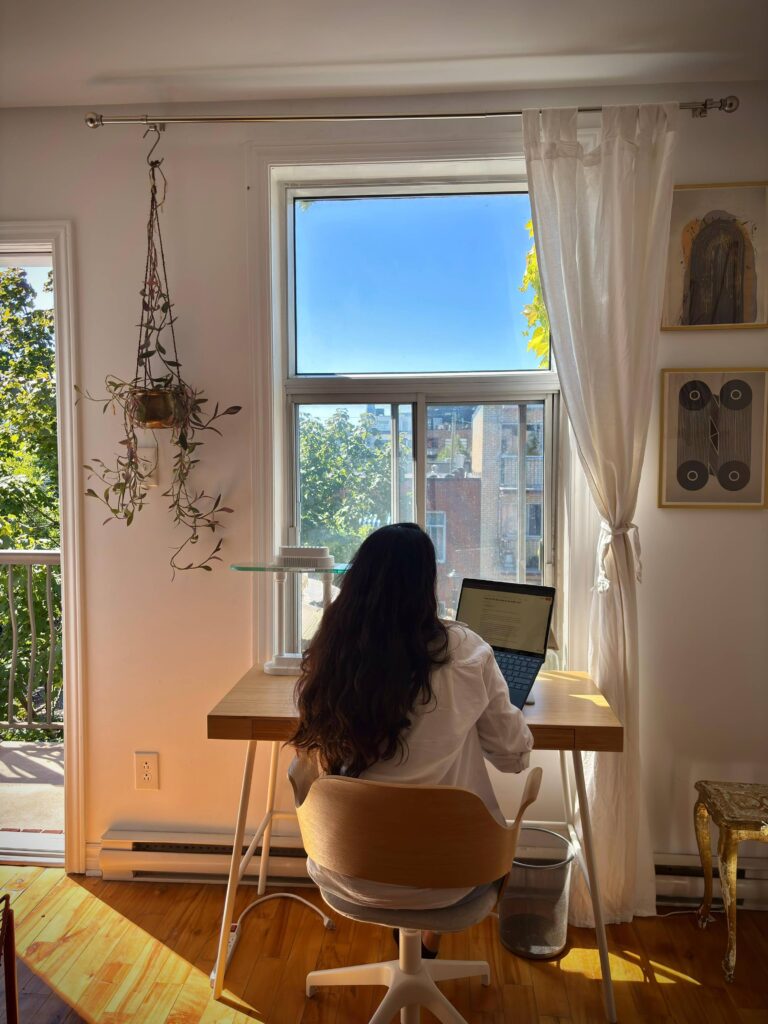
Little Italy, too, opened up a side of Montreal I didn’t expect. We were a short walk from the famous Jean-Talon Market, an incredible sensory experience filled with a riot of smells of fresh produce, vendors greeting their customers in French, their voices blending with the chatter of friends and families over baskets of produce. The colours of fruits and vegetables were vibrant under the summer sun. We returned with bags full of groceries enough to cook us morning meals for the rest of the week in the small open kitchen.
From this abode, we wandered through surrounding neighbourhoods each day, like Mile End, where we admired murals across brick walls, stopped by at vintage shops, and tried out a couple of local cafés and restaurants.
Our second exchange in The Plateau
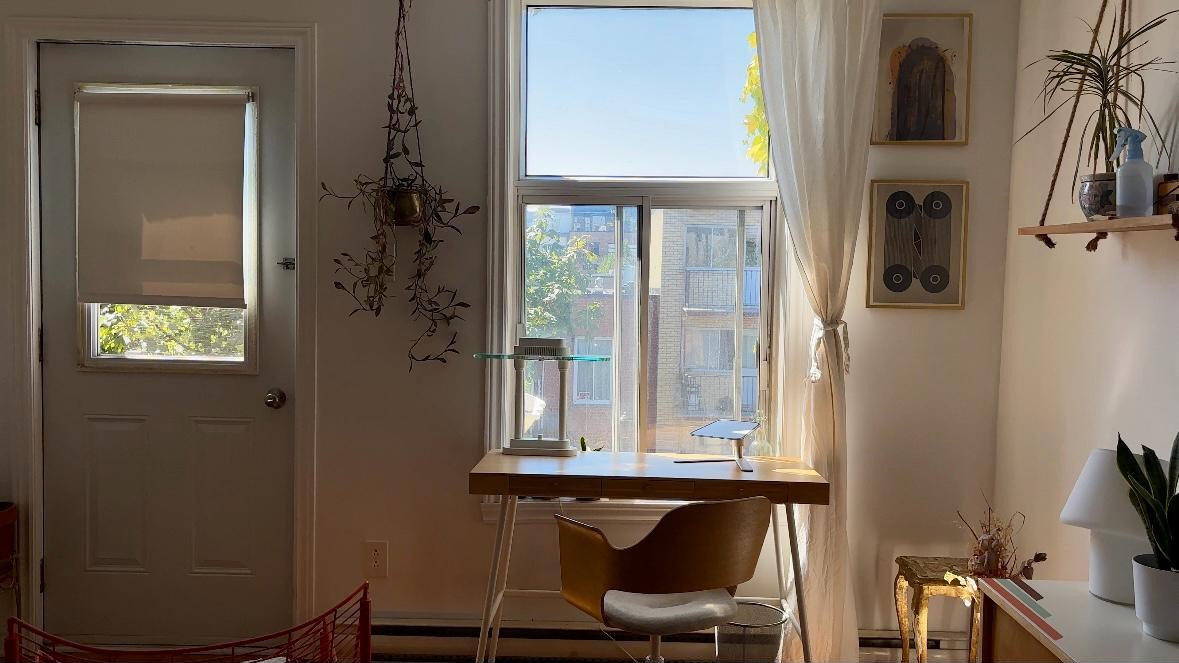
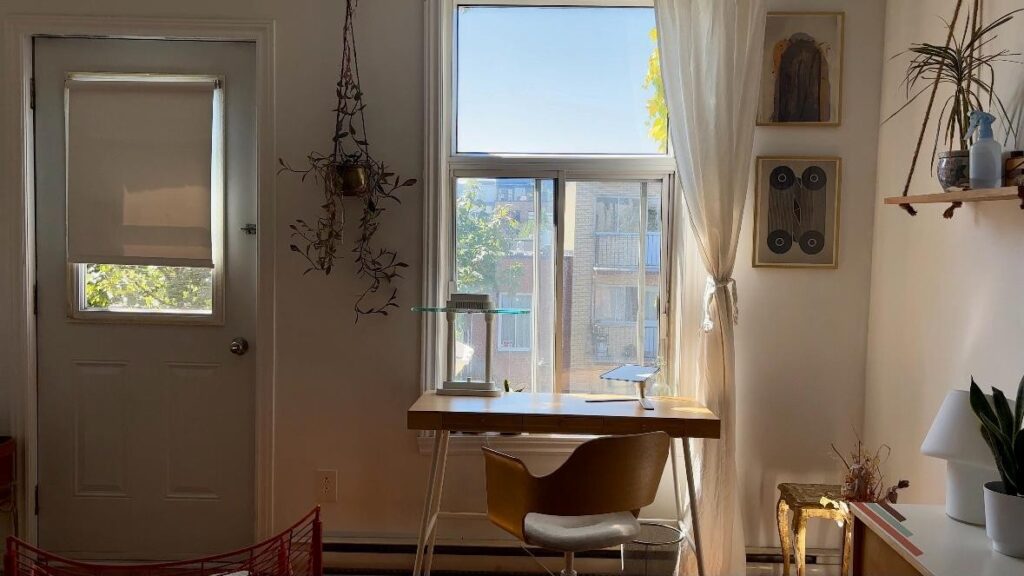
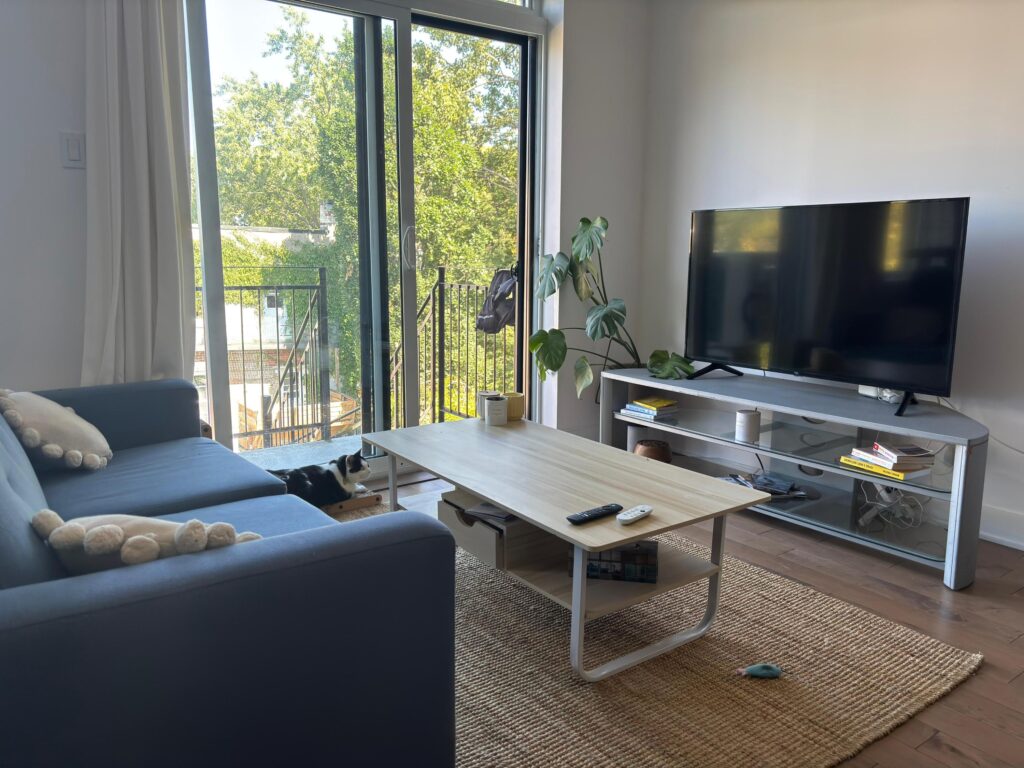
For the second week, we moved to The Plateau, the heart of Montreal’s artsy, bohemian spirit. This time, we were hosted by a friendly and hospitable spirit from France, who was just around my age, and lived in the apartment with her adorable, round-bellied cat. Her home was modern, minimalist, and uncluttered. Soft light spilt through tall windows, casting calm across the space. If our Little Italy stay was bold and colourful, this one was quiet and serene.
And because we were staying with her in the apartment, this stay felt even more personal. We spent evenings in her living room sharing snacks and chatting about our travels and different upbringings. One evening, we took her to a Peruvian restaurant, where we laughed all night whilst sharing tapas like we had known each other for ages.
This experience reminded me of my childhood travels: staying with relatives or family friends, where hospitality then wasn’t just about transactions; it was about human connection, which I think is slowly dwindling. By the time we left, we weren’t simply “guest” and “host”. We’d carved out a small, real connection, the kind that lingers long after the trip is done.
How HomeExchange works
The platform itself is simple, but surprisingly flexible. There are two main ways to exchange:
- Reciprocal Exchange: the classic version, where you swap homes directly, either simultaneously or on different dates.
- GuestPoints: reward points you receive by signing up, completing your profile, referring friends, and hosting other members. If your home isn’t available for a reciprocal swap, you can still arrange a stay at another member’s home by offering GuestPoints. They, in turn, can use those points to stay elsewhere.
For context, I had enough GuestPoints from signing up and paying the annual membership ($235) to cover our entire two-week stay in Montreal. Considering that two weeks in a hotel or rental would’ve cost me close to $1500, the value is unbeatable.
How to get started
If you’re curious about trying HomeExchange yourself, you’re welcome to use my referral link to create an account that will give you bonus GuestPoints.
Here is what the process looks like:
- Sign up by creating an account and filling in your profile with your personal details.
- List your home by uploading photos and writing a description of your space and what makes it special. Don’t forget to add your home’s availability to the calendar!
- Verify your listing by uploading a document
- Subscribe to the annual membership of US$235. This gives you unlimited exchanges for a whole year, plus full access to all member profiles worldwide.
(As you complete these steps, you will receive 1,550 GuestPoints, which also includes the additional 250 points if you sign up through my invitation link. This will be enough to start planning your first vacation!)
- Search for homes in the destinations you’d like to visit and send messages to your preferred homes to arrange an exchange.
- Finalise your exchange by either arranging a direct swap or using the GuestPoints you’ve obtained.
Why I recommend HomeExchange
For conscious travellers like me, HomeExchange offers so much more than just an affordable place to sleep. It’s one that I’ve come to embrace wholeheartedly. Here’s why I recommend you try it:
It makes slow travel possible
By covering our two-week stay in Montreal entirely with GuestPoints, we were able to stretch our budget significantly and stay longer. This slower pace of travel on a budget would have been difficult on a shorter visit or with traditional accommodations.
Using what exists
Travel often means building more: more hotels, more rentals, more infrastructure and using more resources. But HomeExchange uses what already exists: people’s homes and their resources. It felt good to know I wasn’t contributing to overtourism or inflating rental markets, which aligns perfectly with a responsible travel mindset.
Living Like a Local
I can’t emphasise this enough. Waking up in a home, doing our groceries at the local farmers’ market, and watching people go about their daily lives as we sipped cappuccinos by the window of a café in the neighbourhood felt like we weren’t just visitors there. Our hosts’ recommendations guided us to parts of Montreal we would have never found in a tourist guide, making us feel like locals who had lived there for a long time.
Community-centred
Staying in a real home and connecting with our host in The Plateau was a reminder that travel doesn’t have to be transactional. Her kindness, our shared dinners, the joy of petting her cat – these moments I’ll remember far longer than any checklist of sights. HomeExchange’s community-first approach fosters a sense of trust and shared humanity that is deeply nourishing.

Tips, what to expect (and what not to…)
Patience.
HomeExchange is different from hotels or other rental sites. When I signed up and started my search, I sent out 10+ requests before two worked out. Not everyone’s home is available even if their calendar looks open. Flexibility in dates or areas to stay may also make it faster for you to arrange your first exchange.
Human-touch.
When reaching out, don’t just ask if a home is available. That human touch matters. Sharing your story and your reason for travelling would build trust – one of the values of this platform. This will be especially helpful if you don’t have any reviews.
It’s a home, not a hotel.
It’s important to keep in mind you’re entering someone’s home. You might water plants, take out recycling or garbage, or care for pets (which I personally love). These homes are lived-in with someone else’s books, spices, and half-burnt candles. They are imperfect and personal, and that’s exactly the point. So, if you enjoy quirks, comfort, and authentic experiences, it’s perfect. I like to follow the saying:
Leave a place better than you found it.
Before leaving, we made sure to tidy up and left a small gift of appreciation for our hosts.
My next step as a host
Thanks to HomeExchange, I experienced Montreal on a deeper level. The memories that I carry aren’t just of the places I visited, but also the connections I made with my hosts. We even stayed in touch after the trip.
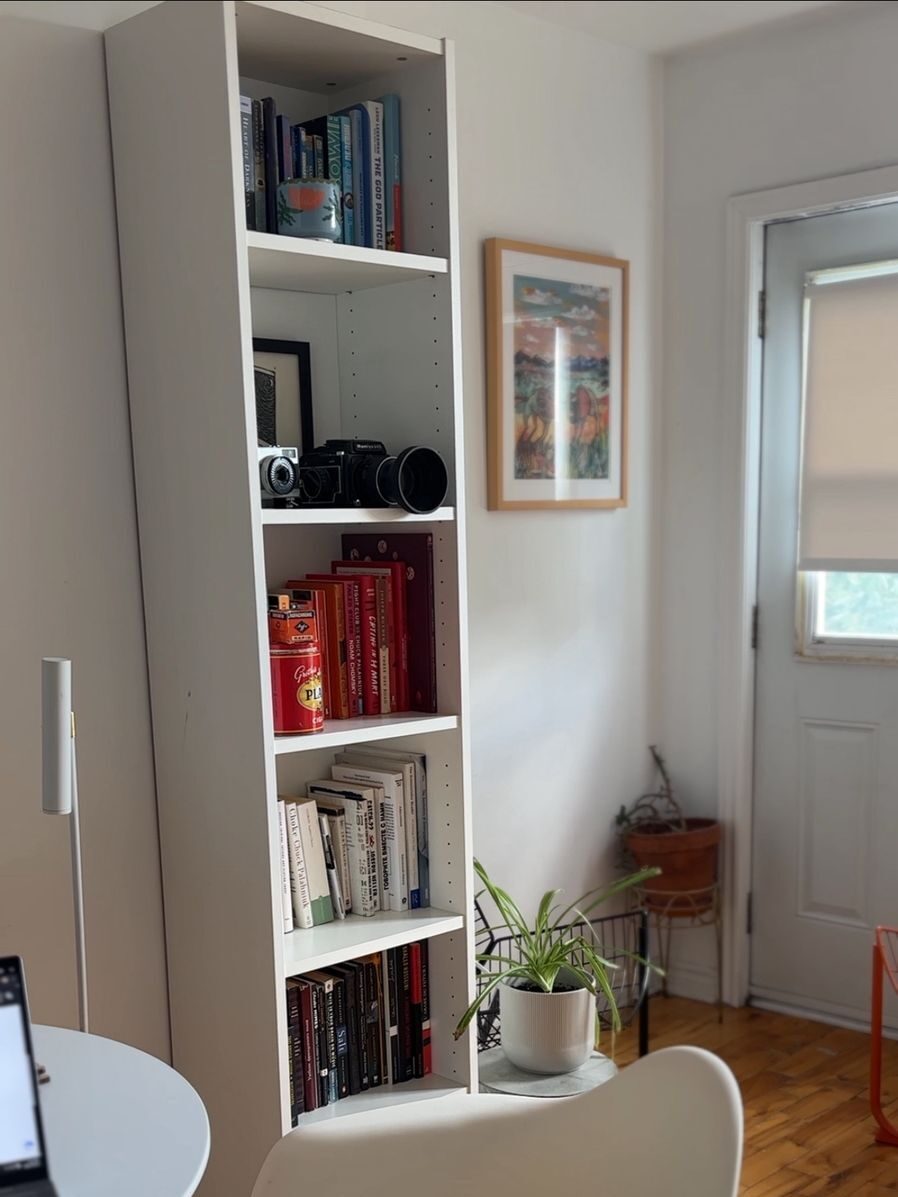
I look forward to welcoming travellers into my own home when I am away. I’ve started preparing my space, writing down my favourite local spots, and thinking about the kind of warm welcome I can offer someone. It’s a way of paying forward the generosity I received and completing the full circle.
Would you consider giving HomeExchange a try on your next trip?
And if you have any questions about how it works, drop a comment below and I’d be happy to share my thoughts.
Disclaimer: I collaborated with HomeExchange to write this post only after I experienced two stays in Montreal before deciding to recommend it. All views expressed here are my own.